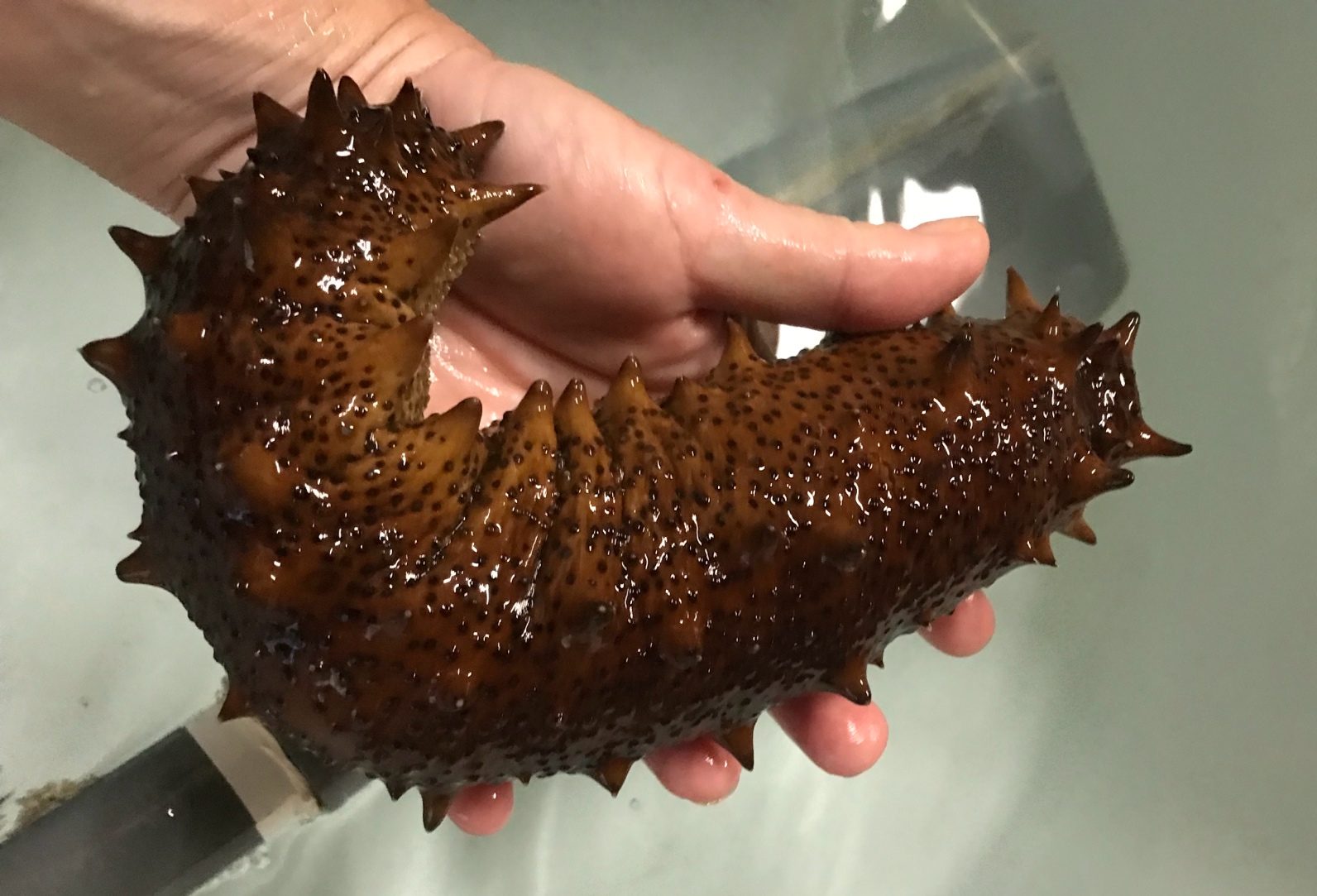
Picture 1: Adult specimen of H. arguinensis.
Gercende Courtois de Vicose
Sea cucumbers play a crucial ecological role on the seabed by reworking sediments, recycling organic matter, and supporting benthic biodiversity and overall ecosystem functioning. Their ecological value extends into aquaculture systems as well. In integrated multi-trophic aquaculture (IMTA), sea cucumbers can recycle organic outflows from farms, contributing to global ecosystem health. This circular approach reduces environmental impacts while improving overall system efficiency, aligning with sustainable “blue economy” strategies.
Despite their ecological and economic importance, sea cucumbers are under increasing pressure worldwide. Global demand for sea cucumbers has exploded over recent decades, driving intense and often unsustainable fishing pressure and the depletion of natural stocks in many parts of the world (Purcell et al., 2013; 2023).
Their aquaculture has therefore become of interest as it offers a way to meet market demand while relieving pressure on wild populations. Among emerging candidates, the sea cucumber Holothuria arguinensis has attracted growing attention in Europe due to its high commercial value; fetching prices up to €350 per kilogram; dried; and ecological importance (Domínguez Godino, 2018).
However, one major challenge continues to limit its large-scale production: the successful rearing of larvae.
A recent study conducted at the Ecoaqua Institute (University of Las Palmas de Gran Canaria) by Gercende Courtois de Viçose and Juan Manuel Afonso (Courtois de Vicose & Afonso. 2026) provides promising new insights into overcoming this bottleneck. By refining larval feeding strategies, researchers have demonstrated that a shift in diet composition can improve growth, survival, and development in early life stages.
Why feeding larvae is harder than it sounds
In the wild, sea cucumber larvae feed on a diverse mixture of microalgae suspended in the water column. This natural diet provides a balanced combination of proteins, lipids, and essential fatty acids necessary for growth and development.
In hatcheries, however, larvae are often fed single-species microalgae diets produced as feeding sources. While effective to some extent, these diets may lack key nutrients required during critical developmental stages. As a result, high mortality rates; especially during metamorphosis; remain a persistent issue (Battaglene et al., 2002; Sousa et al., 2023).
Previous studies have shown that diet quality directly affects larval growth, survival, and the ability to transition into juvenile stages (Duy et al., 2015; Knauer, 2011; Domínguez-Godino & González-Wangüemert, 2019).
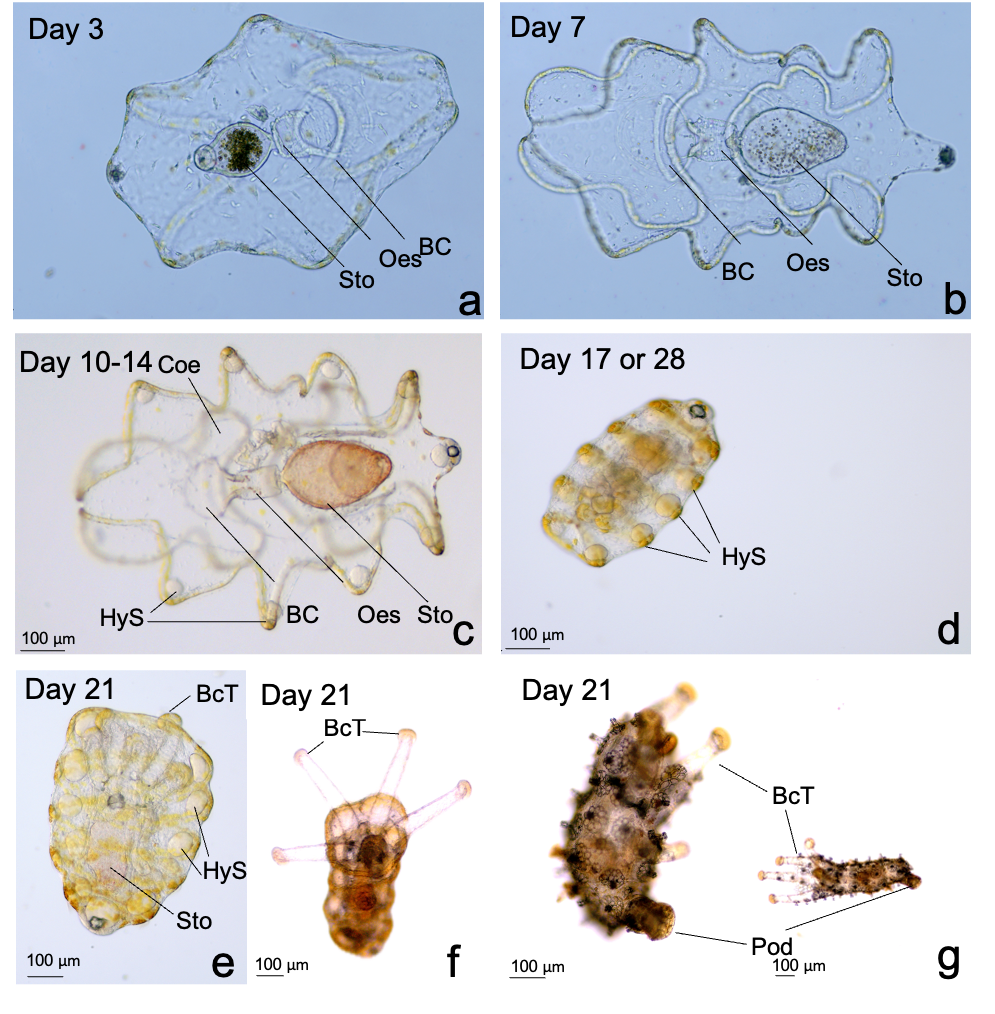
Picture 2: Larval development of Holothuria arguinensis. Time of onset, in both experimental diets treatments, of the different developmental stages identified as: (a) early auricularia; (b) mid-auricularia; (c) late auricularia; (d) doliolaria; (e) late doliolaria (f) pentactula and (g) juvenile.
A tiny tweak with big results
The recent Ecoaqua study tested whether combining two microalgae species could better replicate natural feeding conditions and improve larval outcomes.
From day three post-fertilization onwards, larvae were offered one or two live microalgae diets at the same total concentration (10,000 cells per millilitre):
- A monospecific diet of Isochrysis sp., rich in lipids and energy reserves
- A mix diet of Isochrysis sp. and Rhodomonas sp., this later offering high protein content and omega-3 fatty acids such as EPA
By combining these microalgae species, the researchers aimed to create a more balanced diet.
The results: healthier larvae, faster development
The outcomes were striking.
Larvae fed the mixed diet showed significantly improved performance:
- Higher survival: ~62% survival at 14 days versus ~40% with the single-species diet
- Faster development: accelerated progression through larval stages
- Successful metamorphosis: 100% of larvae in the mixed diet reached the juvenile stage by day 28
In contrast, larvae fed only Isochrysis sp. failed to reach advanced developmental stages within the same timeframe.
These results highlight the importance of providing diets that meet larval nutritional requirements and enable the formation of hyaline spheres that provide internal energy reserves; that fuel the transition to non-feeding stages; and enable the larvae to be better prepared for metamorphosis (Duy et al., 2016).
This is particularly important because the transition from larva to juvenile (metamorphosis) is the most critical stage in sea cucumber aquaculture where the highest mortality occurs at which many hatchery efforts fail (Battaglene et al., 2002; Sousa et al., 2023).
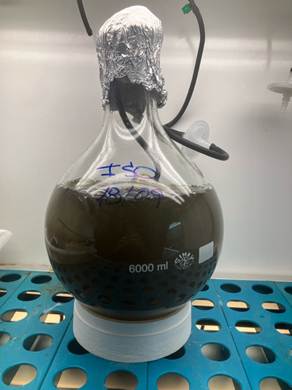
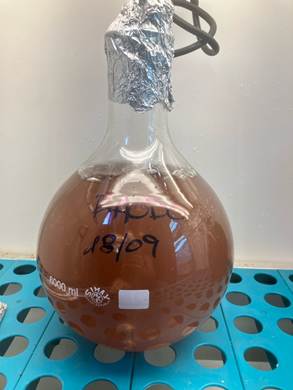
Picture 3: Batch culture of Isochrysis sp. and Rhodomonas sp.as nutritional sources for Holothuria arguinensis larvae.
From lab to ocean: why this matters
These findings provide a practical pathway to improve hatchery success in Europe. By optimizing diet composition, producers can:
- Increase larval survival and consistency
- Enhance juvenile output
- Improve economic viability of aquaculture operations
Moreover, reliable hatchery production supports broader applications such as stock restoration and provision of specimens that can be integrated in IMTA systems. Allowing sea cucumbers to contribute to organic matter recycling and ecosystem health.
A broader reflection
This research highlights the importance to view aquaculture as a possible provider of nature-based solutions. It supports the idea that aquaculture resilience and sustainability are to be fostered by understanding and working with biological systems and moving from simplified systems toward ecosystem-based approaches that mimic natural complexity. In ecosystems, diversity is not optional it is fundamental to resilience and efficiency.
As global demand for sustainable protein continues to grow, species like Holothuria arguinensis remind us of the value of low-trophic species and that even the most unassuming organisms can play a pivotal role in shaping the future of aquaculture and ocean health.
References
Battaglene, S.C. et al. (2002). Spawning induction of three tropical sea cucumbers, Holothuria scabra, H. fuscogilva and Actinopyga mauritiana. Aquaculture 207 (1–2), 29–47.
Courtois de Vicose, G., & Afonso López, J.M. (2026). Enhanced larval performance of Holothuria arguinensis using mixed microalgae diets. Aquaculture, 618, 743824.
Duy, N.D.Q. et al. (2015). Ingestion and digestion of live microalgae and microalgae concentrates by sandfish, Holothuria scabra, larvae. Aquaculture 448, 256–261.
Duy, N.D.Q. et al. (2016). Development of hyaline spheres in late auriculariae of sandfish, Holothuria scabra: is it a reliable indicator of subsequent performance? Aquaculture 465, 144–151.
Domínguez Godino J.A. (2018). The sea cucumber holothuria arguinensis, as a new species for aquaculture. PhD Universidad de Cádiz.
Domínguez-Godino, J.A., & González-Wangüemert, M. (2019). Improving the fitness of Holothuria arguinensis larvae through different microalgae diets. Aquacult. Res. 50, 3130–3137.
Knauer, J. (2011). Growth and survival of larval sandfish, Holothuria scabra (Echinodermata: Holothuroidea), fed different microalgae. J. World Aquacult. Soc. 42 (6), 880–887.
Purcell, S.W. et al. (2013). Sea cucumber fisheries: global analysis of stocks, management measures and drivers of overfishing. Fish Fish. 14 (1), 34–59.
Purcell, S.W. et al. (2023). Commercially Important Sea Cucumbers of the World – Second Edition. FAO Species Catalogue for Fishery Purposes Rev. 1. FAO.
Sousa, J. et al. (2023). Optimizing growth and rearing techniques for larvae and juveniles of the sea cucumber Holothuria arguinensis. Diversity 15 (6), 722.