
WORDS FROM Israel Oceanographic and Limnological Research limited (IOLR)

Welcome to the sixth edition of the OCEAN CITIZEN newsletter!
By Buki Rinkevich
As part of the activities planned within the OCEAN CITIZEN consortium, the IOLR team will lead a comprehensive restoration roadmap for a diverse range of Marine Forest (MF) species, including hard corals, soft corals, gorgonians, fleshy algae, and sponges. This initiative aims to establish a full restoration plan for the marine communities targeted by the OCEAN CITIZEN proposal.
The most effective solutions balancing economic development and environmental protection will be implemented at the pilot site in Tenerife, while simultaneous testing and replication will take place at four additional sites, Eilat (Israel), Køge Bay (Denmark), Punta de la Mora (Spain) and Porsangerfjorden (Norway). These locations, representing diverse MF habitats and socio-ecological contexts, will provide valuable insights into the potential for scaling up restoration efforts.
MFs play a crucial role in supporting biodiversity and providing essential ecosystem services. However, they are increasingly threatened by both natural and human-induced factors. Climate change is driving ocean warming, acidification, and sea-level rise, which impact species survival and habitat stability. Additionally, a wide range of anthropogenic impact contribute to biodiversity loss, as extreme weather events such as cyclones, hurricanes, and tsunamis. Various conservation management strategies have been proposed and implemented to restore degraded MFs, but their limited success has challenged previous paradigms, leading to the employment of active restoration.
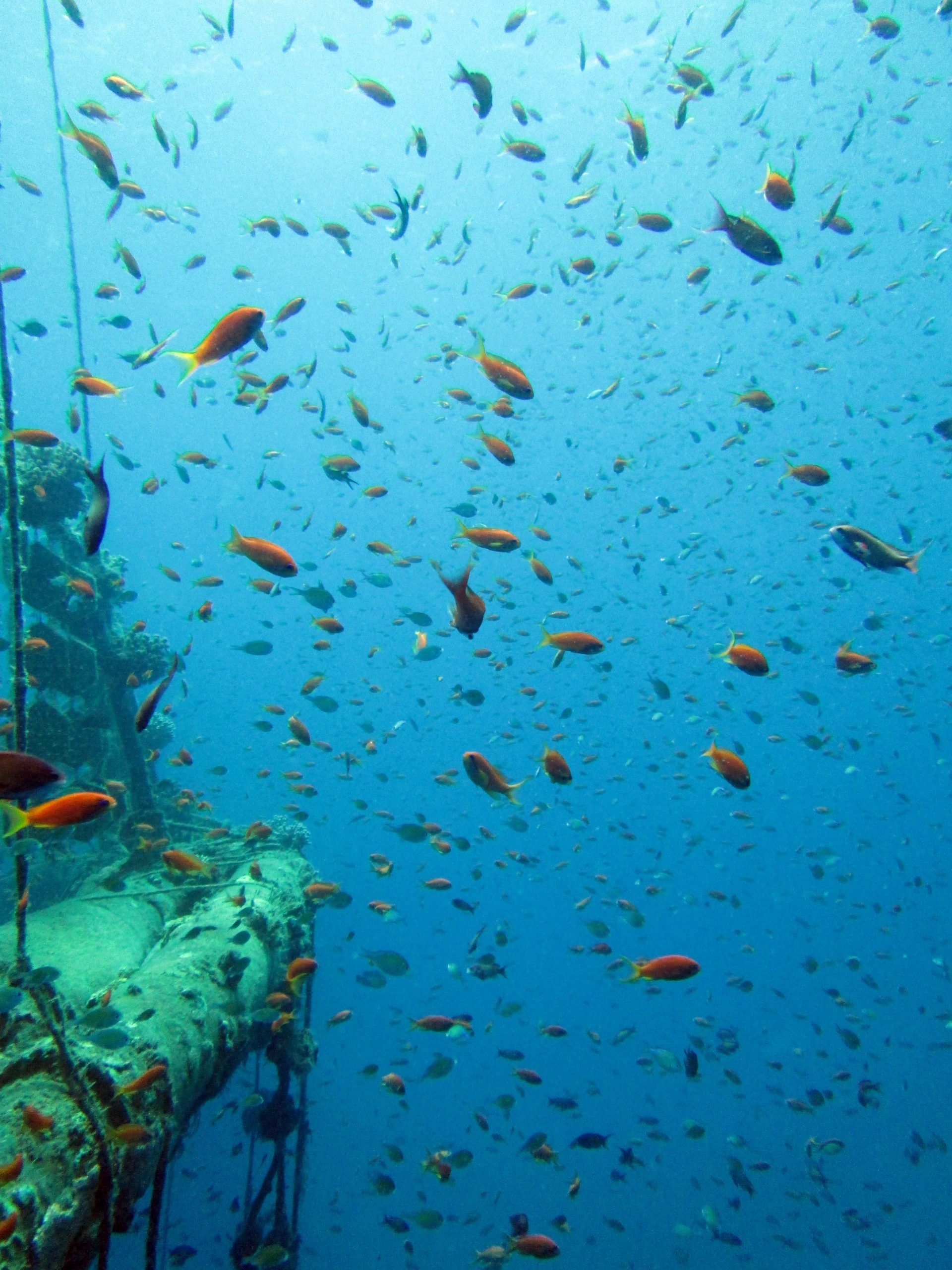
IOLR will coordinate ambitious and innovative activities in the designed marine sites that combines cutting-edge restoration techniques, to conserve and regenerate MFs. This will advance our understanding of climate change’s impact on benthic-pelagic processes and adapts MF restoration methods to evolving conditions. IOLR, actively working on the floating reefs tool (Figure) and on Blue Carbon sequestration, will integrate activities of the whole group within four proven solutions to enhance and restore habitat complexity and promote participation restoration, including:
- Ecosystems-engineered restoration – optimizing species selection, community structure, and Blue Carbon sequestration.
- Symbiotic Enhanced Reefs (SER®) – AI designed artificial reefs improving hydrodynamics, organic matter retention, and light distribution.
- Floating Reefs (FR) – fostering species growth and serving as nursery grounds for restoration.
- Integrated Multi-Trophic Aquaculture (IMTA) – a biodiversity-driven, self-sustained mariculture system.
The tools to be developed will be shared with the scientific communities as well as with the public, targeting the processes of actively assisting the recovery of ecosystems that have been damaged, degraded, or destroyed.
We look forward to sharing more of this journey with you.
Figure legend: Side view of the floating coral nursety in Eilat. The nursery is suspended at 12m depth and 20m from the bottom. Many fish species and invertebrates are recruited in short time transforming the FR into an oasis in blue waters that has the capacity to sequester carbon dioxide.
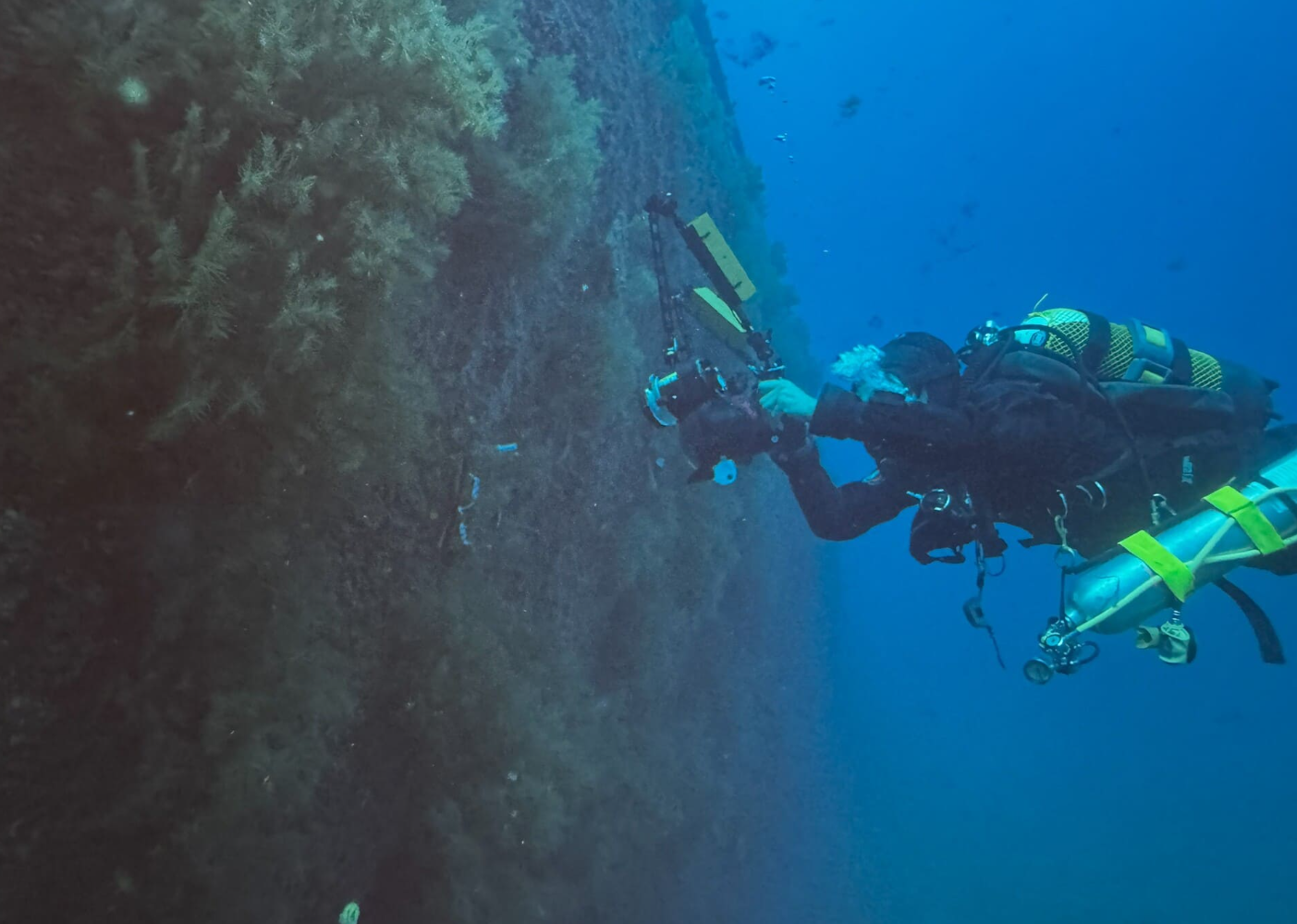
FIELD CAMPAIGN IN GRAN CANARIA TO ADVANCE BLACK CORAL MONITORING
One of the main goals of UBICA within OCEAN CITIZEN is to develop and refine innovative methodologies for environmental monitoring, with a particular emphasis on the use of photogrammetry. This technique allows for the precise reconstruction of three-dimensional models of subjects by utilising standard photographs, taken in large quantities.
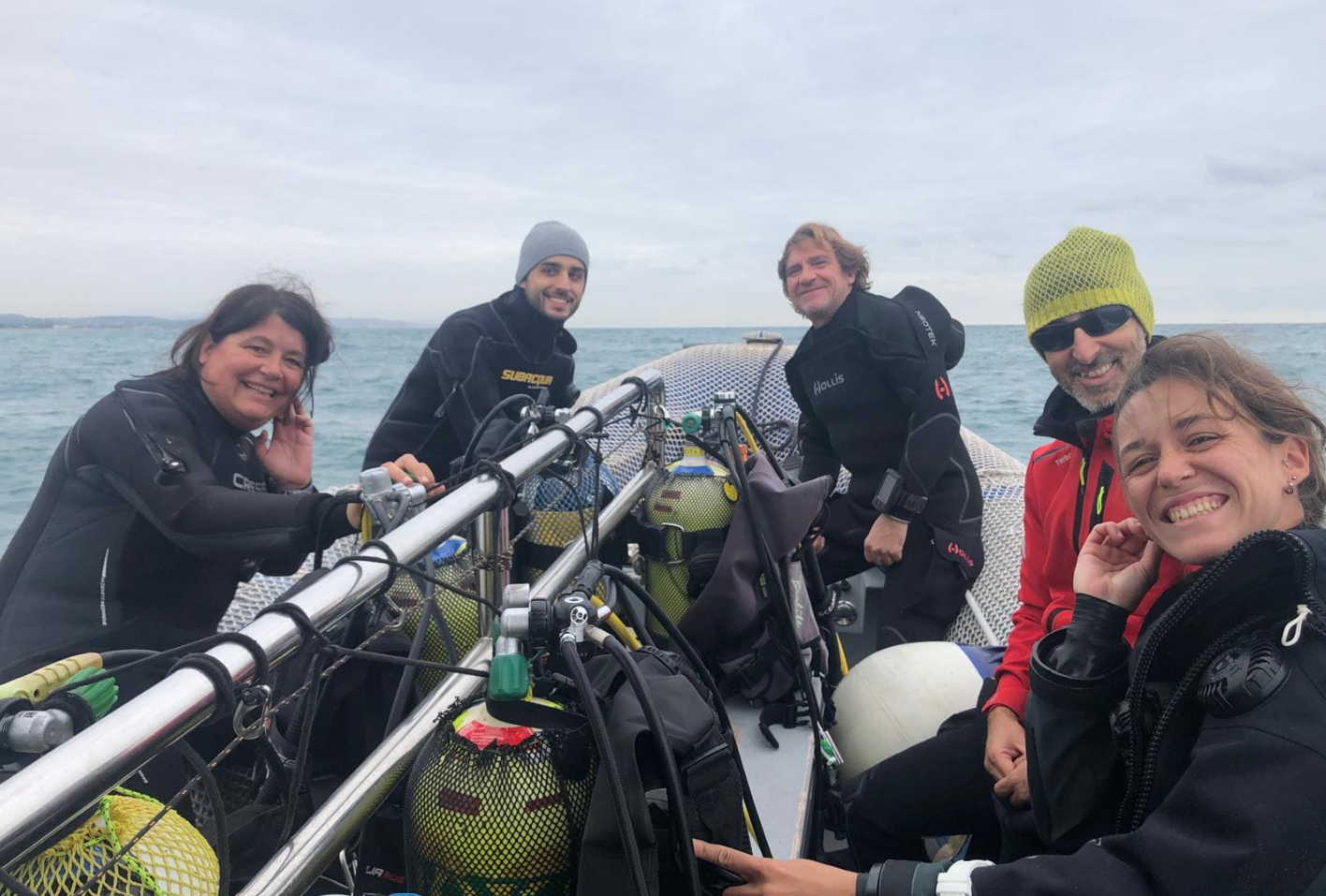
FIRST RESEARCH CAMPAIGN IN TARRAGONA BY THE UNIVERSITY OF BARCELONA FOR GORGONIAN RESTORATION
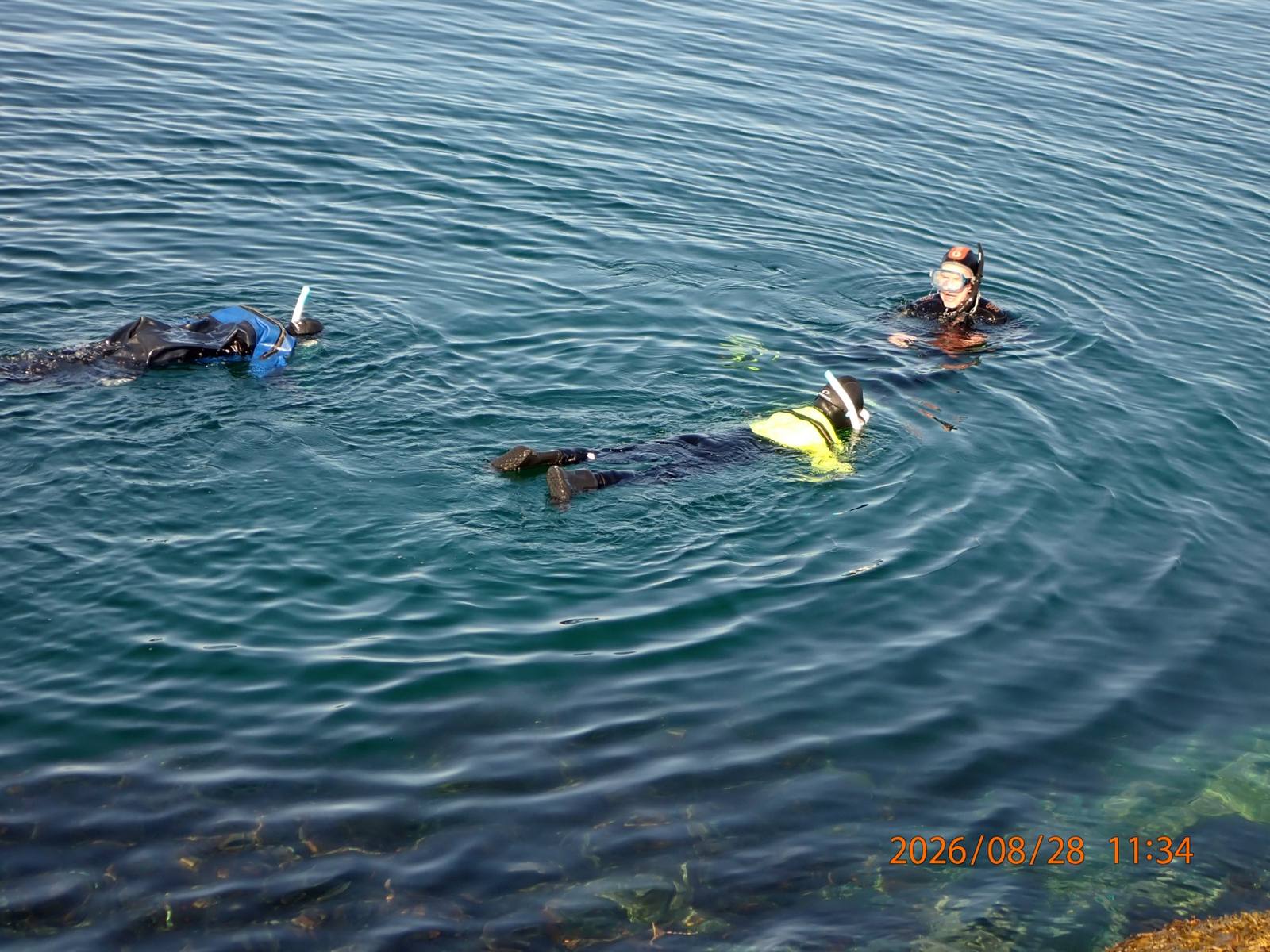
The OCEAN CITIZEN team at the University of Barcelona kicked off its research campaign as part of the OCEAN CITIZEN project in Torredembarra, a small town near Tarragona in the Western Mediterranean Sea. This location is one of the project’s five pilot sites. The campaign was made possible through collaboration with the Natural Art Reef Association (NAR), a local organization specialising in the implementation and biological monitoring at artificial reefs in the region.

THE OCEAN ARCHITECTS AND KNOWLEDGE BUILDERS
Similar to how r-strategists lay groundwork for later k-strategists, OCEAN CITIZEN followed a similar journey, where we carefully selected pilot sites in our pioneering phase and divided into their ecological history, underlying conditions, local species, currents, and various environmental factors. This essential groundwork provided us with the baseline knowledge before launching into active restoration. With this foundation in place, we implemented a series of sequential and complementary methodologies to construct a complex framework that sets the stage for a successful active restoration effort.
OCEAN CITIZEN IN TARRAGONA: INSIGHTS FROM THE SEDIMENT SAMPLING CAMPAIGN
Following the initial field campaigns conducted by the University of Barcelona (UB) in the Tarragona pilot site, the OCEAN CITIZEN team at Underwater Gardens (UGI) organized a new campaign focused on sediment characterization. This campaign aimed to sample marine sediment at the different depths to analyse key sediment quality factors.
OCEAN CITIZEN’S PILOT SITE IN TARRAGONA: A MISSION FOR CORAL CONSERVATION
One of the pilot sites of OCEAN CITIZEN is located on the Mediterranean coast of Tarragona, Spain. This initiative, let by UB, focuses on addressing the conservation challenges of coral populations in this region. Tarragona’s continental shelf, with its unique ecological characteristics, serves as a critical area for studying and restoring coral habitats.
ENGAGING THROUGH STORIES: OCEAN CITIZEN HIGHLIGHTS AT COMMOCEAN 2024
This conference, held from November 25 to 27th and organised by the Spanish Institute of Oceanography (IEO-CSIC) and the European Marine Board, promoted the exchange of visions, ideas, experiences, prizes, skills and more, in which marine science communicators showcased how we can better connect people to the wonders – and the urgent challenges – of the oceans.
OCEAN CITIZEN’S SECOND ANNUAL MEETING IN BARCELONA
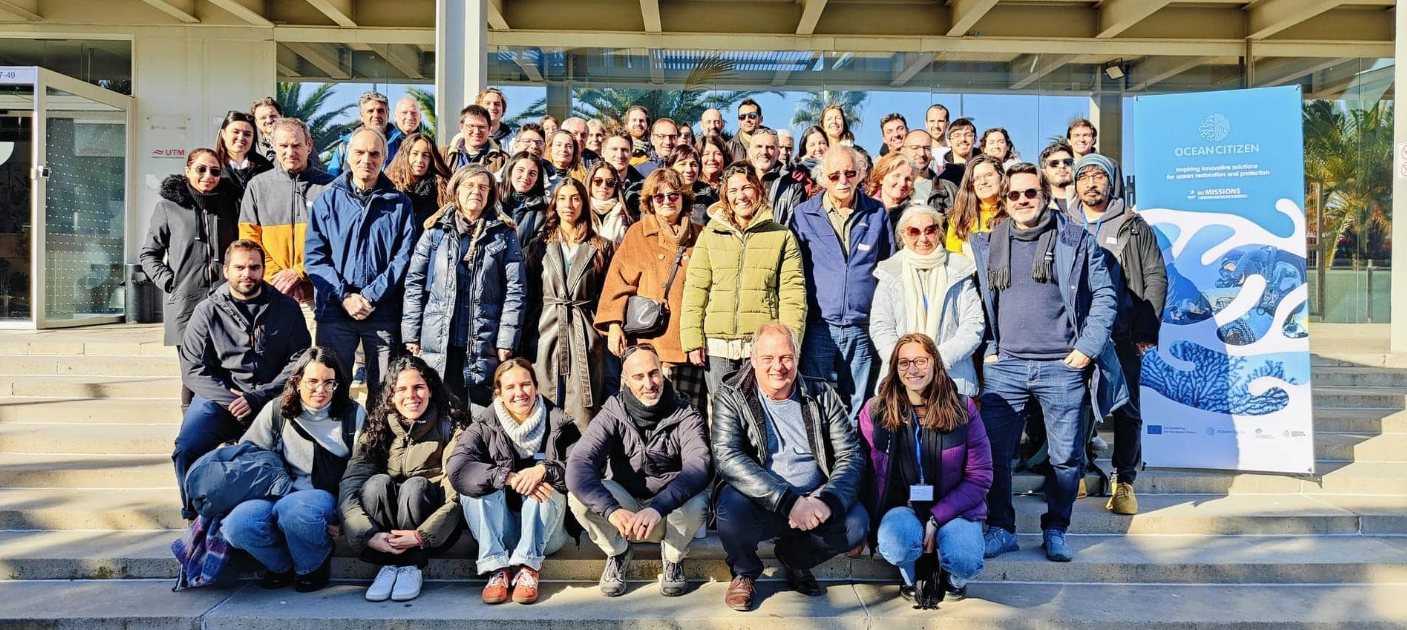
Collaboration at its best! The second annual meeting of OCEAN CITIZEN took place in Barcelona, where partners gathered from January 14th to 15th, 2025. The event was held in the Institut de Ciències del Mar (ICM), the fourth largest institute of the Spanish National Research Council (CSIC) and the largest dedicated to marine research. The two-day event saw its highest in-person attendance to date with more than 70 people, making it a perfect opportunity to review progress, discuss challenges, and align on the path forward as the project transitions into its implementation phase.
UNITED FOR THE OCEAN: A MULTISTAKEHOLDER GATHERING IN TENERIFE
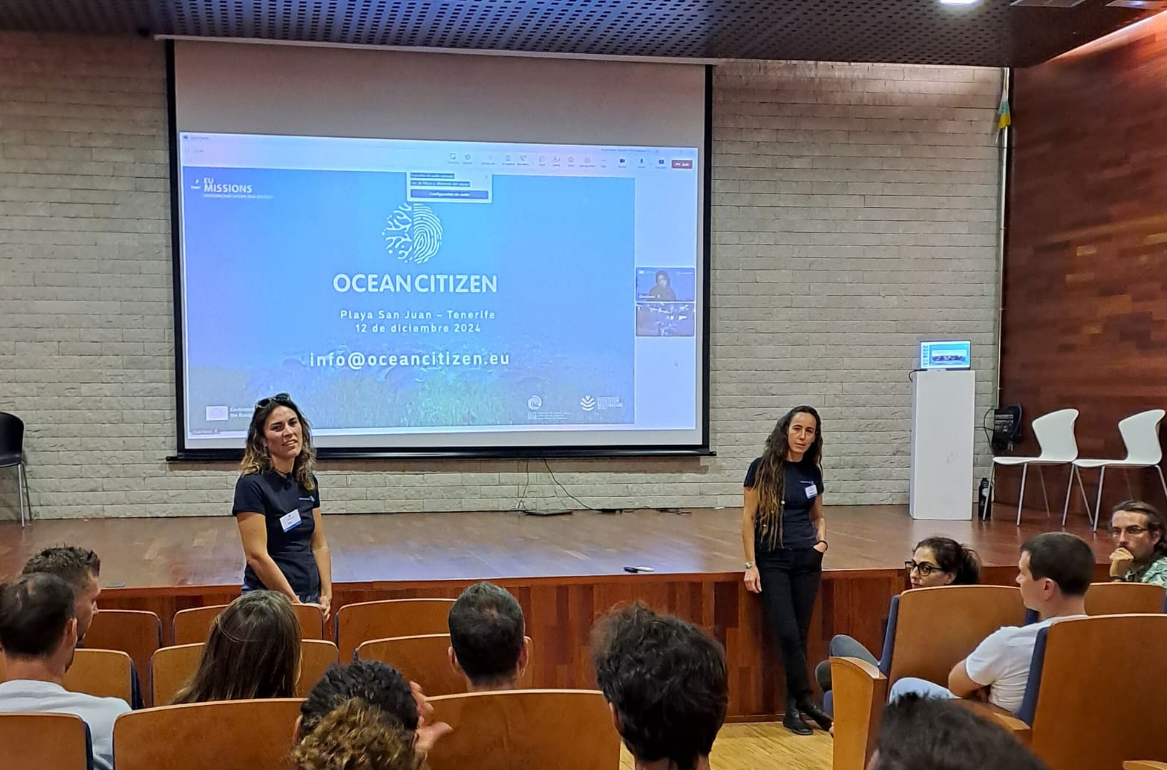
A second multistakeholder gathering of OCEAN CITIZEN took place in December in Tenerife. The event organised by Underwater Gardens (UGI) and Innoceana and hosted by the Ayuntamiento de Guía de Isora at the Cultural Centre in Playa San Juan. During the event, we had the opportunity to exchange ideas and discover local initiatives making impressive contributions to ocean health.