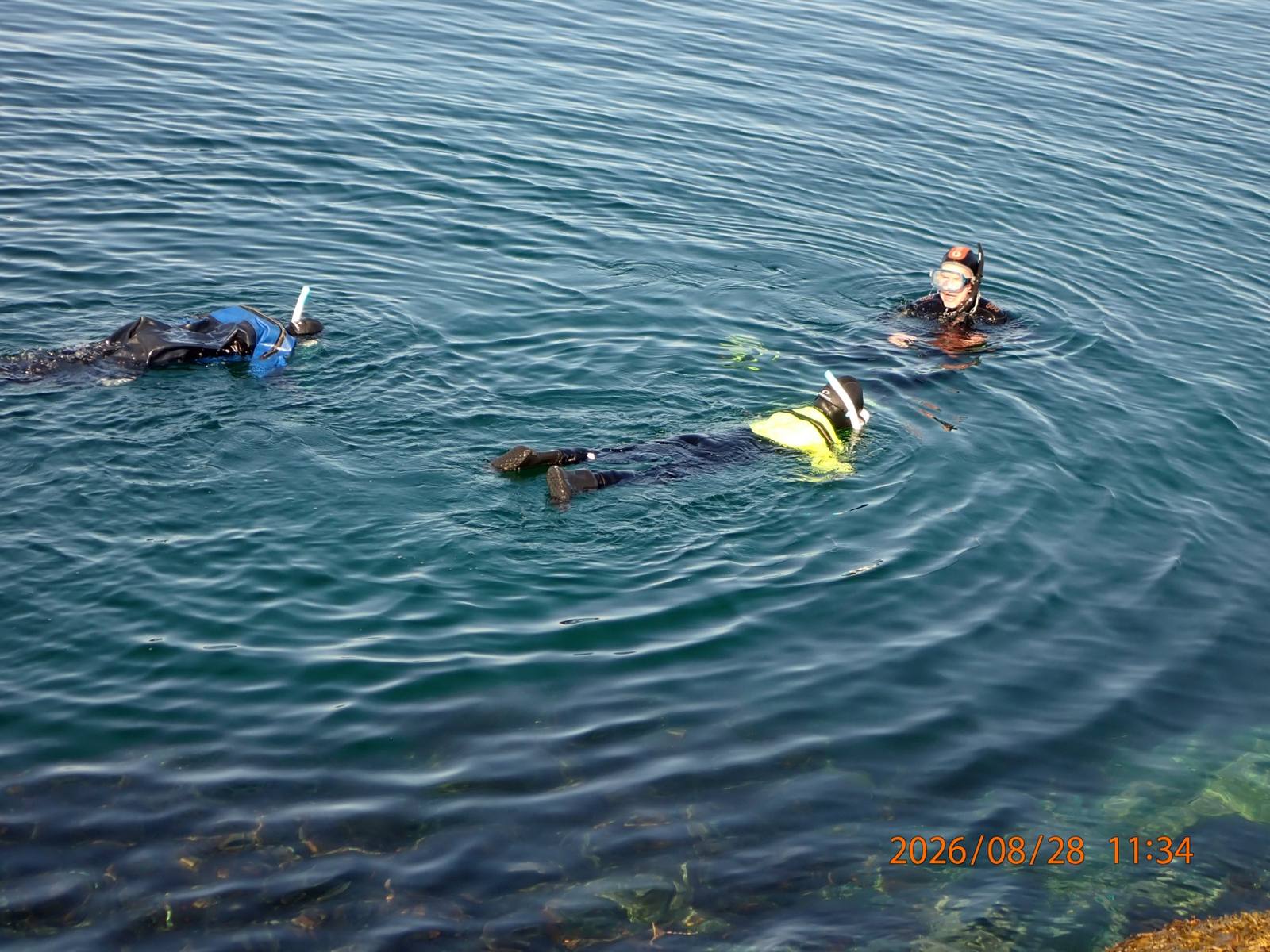
Image 1. Students from Lakselv Upper Secondary School snorkel in drysuits to observe marine life in the shallow waters of the Porsangerfjord during an OCEAN CITIZEN field course. Photo credits: Institute of Marine Research.
In 2026, students from Lakselv Upper Secondary School had the opportunity to explore the marine biodiversity of Porsangerfjord and learn first-hand about the restoration work being carried out through the OCEAN CITIZEN project.
Across four field course days, a total of 45 students, together with their teachers, took part in activities at the OCEAN CITIZEN Porsanger (POR) site in Norway. Before heading into the field, students also attended two introductory lectures on efforts to restore fjord cod populations in Porsangerfjord and how OCEAN CITIZEN, including the 30 SER reefs deployed in the fjord, can contribute to this work.
Exploring and identifying local marine species
During the field courses, students collected seaweeds, including wrack and kelp, and other organisms from the intertidal zone. They also examined catches from traps set just below the low-water mark. These traps were used to sample mobile animals that enter and use the intertidal zone at high tide, where the local tidal range is approximately 2.5 metres.
The collected specimens were transferred to laboratory tanks with running seawater for identification. A photography station was also set up so that students could take high-quality photographs to illustrate their species lists.
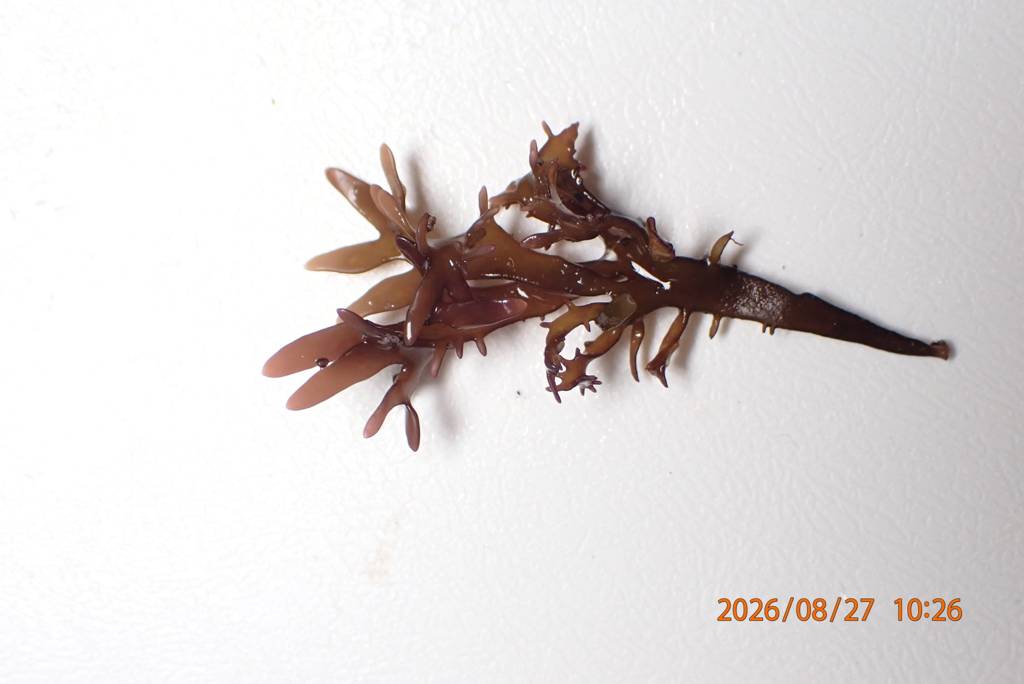
Image 2. A seaweed specimen collected and photographed during the field course. Students use their own photographs to illustrate species lists documenting the marine biodiversity of the Porsangerfjord. Photo credits: Institute of Marine Research.
Many students also took the opportunity to swim in drysuits to observe kelp, juvenile fish and other organisms in their natural habitat. They were also able to swim over the SER reef park, established in autumn 2025.
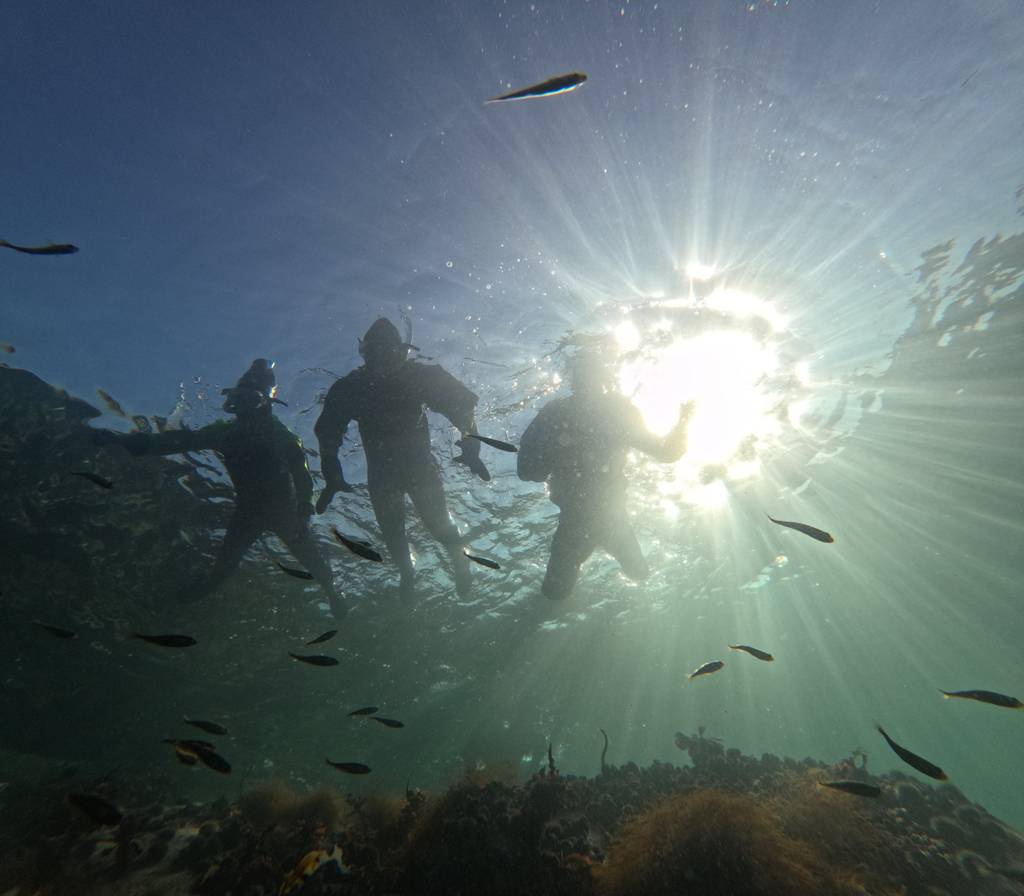
Image 3. An underwater view of students exploring marine life in the Porsangerfjord, with small fish swimming above the algae-covered seabed. Photo credits: Institute of Marine Research.
During spring and summer 2026, the reef park became covered with annual algae. As these seasonal algae die back in autumn, numerous juvenile sugar kelp plants are becoming visible. These young kelp plants are expected to grow substantially between March and July 2027.
The students are now following up on their fieldwork by preparing species lists accompanied by their own photographs.
From seaweed harvesting to food supplements
Students who participated in last year’s field course and are now taking Biology 2 followed a separate programme focusing on seaweed as a food resource and a source of dietary supplements.
They were introduced to different intertidal seaweed species, their potential uses and sustainable harvesting practices before heading into the intertidal zone to collect their own seaweed.
Back in the laboratory, the seaweed was cleaned and laid out to dry. The students then learned how to grind the dried seaweed into powder and fill supplement capsules with it. At the end of the course day, each student took home 50 capsules containing dried, ground seaweed.
Through these activities, students were able to explore the biodiversity of Porsangerfjord while gaining practical experience of marine ecology, restoration and the sustainable use of marine resources.